




What happened
Meta Platforms, Inc. (NASDAQ: META) has a lighter answer to one of virtual reality's oldest problems, but the profit hurdle remains enormous.
The new device weighs about 100 grams and costs $1,299.99, while Reality Labs' latest quarterly operating loss was 10.7 times revenue.
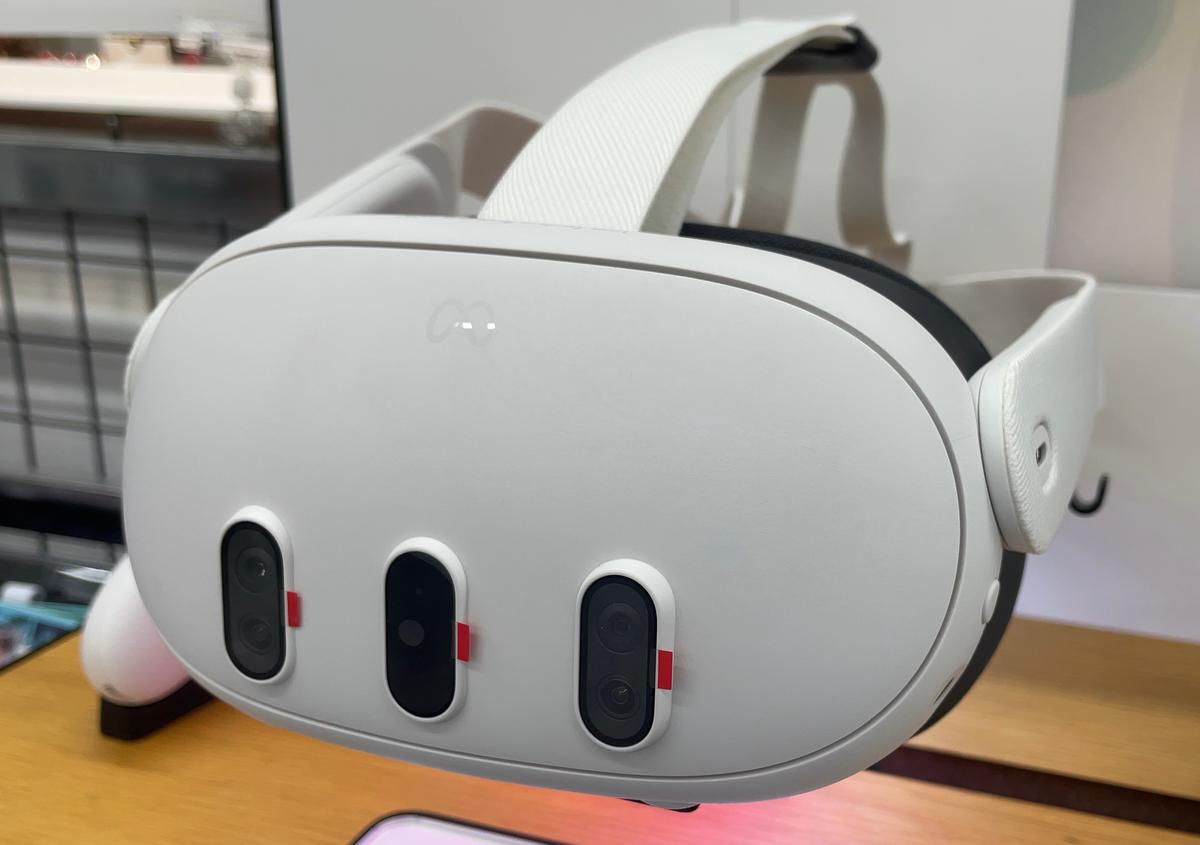
The company introduced Meta VR Glasses on September 23. They use a separate compute puck and will go on sale in spring 2027.
Meta Platforms, Inc. (NASDAQ: META) says the device has a 5K display, up to three hours of battery life and more than 75 games at launch. It also promises more than 100 immersive live sports events each year.
Shares closed the announcement date up 1.02% on about 30.3 million shares. That documents attention, not proof that the launch caused the move.
Why it matters
The product makes Meta Platforms, Inc. (NASDAQ: META)'s virtual-reality pitch easier to understand. It combines a lighter design with a stated price, launch window and content lineup instead of offering another distant prototype.
The financial hurdle is still enormous. Reality Labs produced $431 million of revenue in the second quarter of 2026 and lost $4.619 billion from operations. The loss was 10.7 times revenue, meaning each dollar of segment sales sat beside almost $10.72 of operating loss.
That ratio does not measure the product's margin, because Meta Platforms, Inc. (NASDAQ: META) reports Reality Labs as a broad segment. It does show why better hardware alone cannot establish a profitable business.
The strongest bullish counterargument is that a 100-gram device can reach people who rejected bulky headsets. More launch games and recurring sports programming could also increase usage. Yet Meta Platforms, Inc. (NASDAQ: META) disclosed no unit forecast, preorder count or margin target.
Explain the financial terms
A fiscal quarter is a three-month period in the company's reporting year.
What's next
The first useful test is demand when sales begin in spring 2027. Watch unit disclosures, developer support, returns, repeat usage and whether Reality Labs revenue grows faster than its costs.
A narrowing segment loss alongside hardware growth would strengthen the case. Weak adoption or another year of roughly unchanged losses would weaken it.