




What happened
Levi Strauss & Co. (NYSE: LEVI) increased third-quarter profit much faster than revenue, even as its largest sales channel produced flat comparable growth.
Revenue rose 4.3% to $1.61 billion. Adjusted EBIT increased 36.8% to $249 million, and adjusted EBIT margin reached 15.5% from 11.8%.
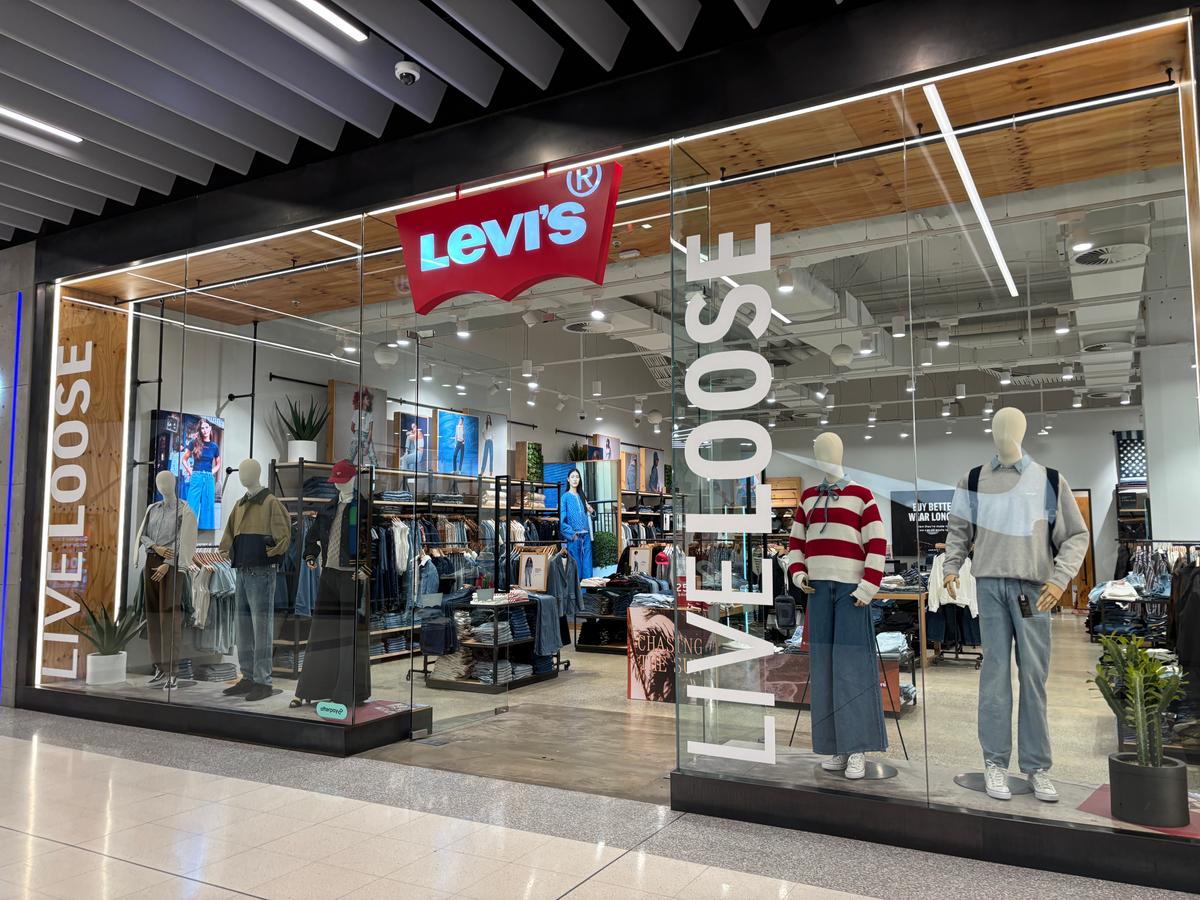
Wholesale revenue grew 6%. Direct-to-consumer revenue rose 2%, but comparable sales were flat. E-commerce revenue increased 10%.
Management expects direct-to-consumer growth to accelerate to mid-single digits in the fourth quarter. That forecast matters because owned channels give Levi Strauss & Co. (NYSE: LEVI) more control over pricing, customer data and product mix.
Explain the financial terms
A fiscal quarter is a three-month period in the company's reporting year.
Why it matters
The quarter shows that Levi Strauss & Co. (NYSE: LEVI) can expand profit while growing through wholesale and international markets. That supports the brand-relevance and operating-leverage claims.
The channel mix makes the result less complete. Direct-to-consumer represented 45% of revenue, or about $724.5 million. Flat comparable sales across nearly half the business leave a meaningful growth test.
Tariff refunds also boosted the quarter. They contributed 490 basis points to adjusted EBIT margin expansion, while management redeployed about 160 basis points into the business.
Management raised full-year adjusted earnings guidance and plans a $100 million accelerated share repurchase. That uses 41.7% of the $240 million authorization remaining at quarter end.
The countercase is that temporary refund economics and buybacks can flatter per-share progress. The durable case still depends on full-price demand, direct-to-consumer productivity and margins after the refund benefit fades.
Explain the financial terms
A fiscal quarter is a three-month period in the company's reporting year.
Guidance is management's forecast, not a completed result.
What's next
Watch fourth-quarter direct-to-consumer growth against management's mid-single-digit target. Investors also need to see whether gross margin holds after roughly $35 million of planned fourth-quarter tariff-refund reinvestment.
The case strengthens if direct-to-consumer comparable sales resume growth without heavier promotions. It weakens if wholesale strength masks softer owned-channel demand or tariff benefits drive most margin expansion at scale.
Explain the financial terms
A fiscal quarter is a three-month period in the company's reporting year.
A profit margin expresses the specified profit measure as a share of sales.